Restore your smile with specialist-placed implants that look, feel, and function like natural teeth.
Losing a tooth can affect far more than your appearance. It can change the way you eat, speak, and feel about yourself. Over time, the bone beneath a missing tooth begins to shrink, altering your facial structure and putting neighbouring teeth under strain.
At Conway House Dental Practice, dental implants are placed by two GDC-registered Specialist Dentists — not dentists who have completed a weekend course, but clinicians who have dedicated years of postgraduate training to this discipline. For our patients in Marlow, Beaconsfield and High Wycombe, this level of expertise makes a meaningful difference to outcomes, safety, and long-term results.
Your journey begins with a thorough consultation, where we assess your bone health, discuss your goals, and design a treatment plan tailored to you.
Why Specialist Implant Placement Matters
In the UK, any dentist is legally permitted to place dental implants, including those who have completed only a short weekend course. At Conway House, we take a different approach.
Our implant specialists hold advanced postgraduate qualifications in Oral Surgery and Restorative Dentistry. They bring not only technical precision but also the clinical judgement to manage complexity — from bone grafting and pre-implant preparation through to the final restoration.
We use world-renowned implant systems that are recognised globally. This matters not only for quality and reliability, but because it means any dentist anywhere in the world can access the components if you ever need maintenance in the future.
Choosing a specialist is one of the most important decisions you will make about your implant treatment. We will always be transparent about the qualifications and experience of the clinician placing your implant.
What Is a Dental Implant?
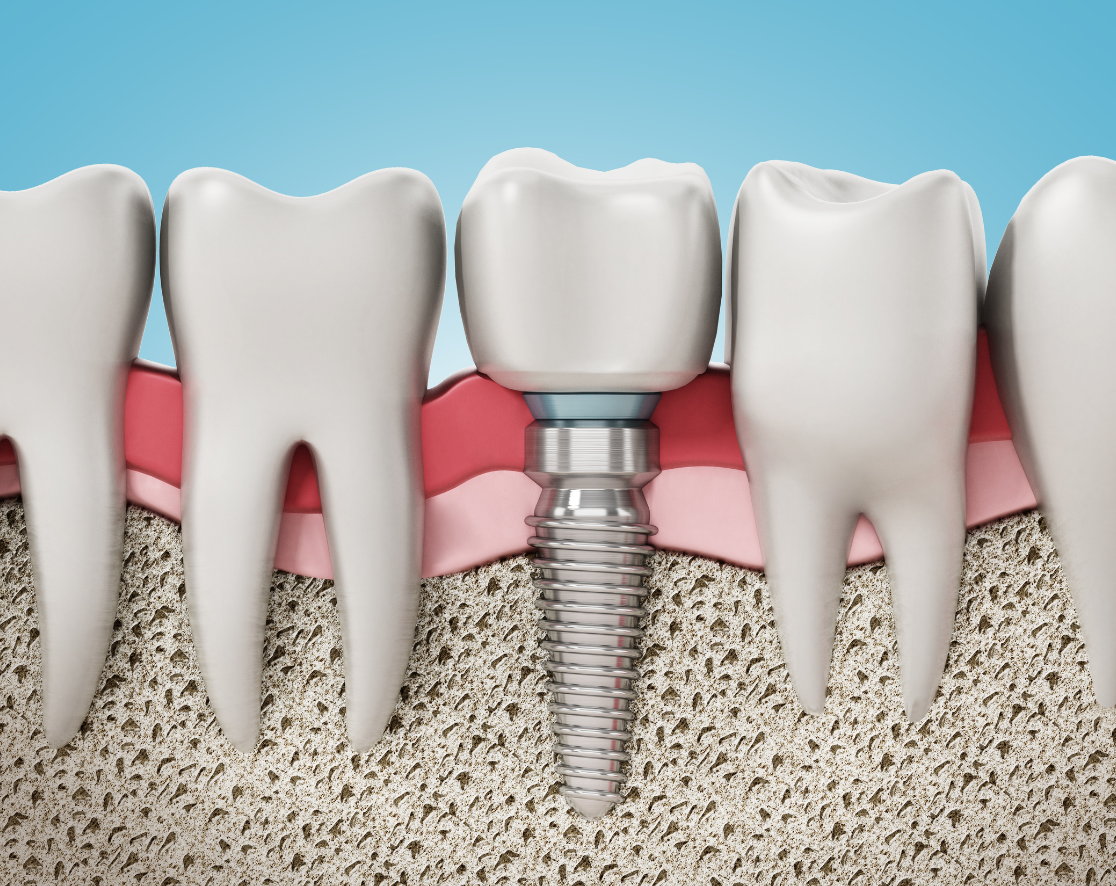
A dental implant is a small titanium screw that is placed directly into the jawbone, acting as an artificial root for a replacement tooth. Once the implant has fused with the surrounding bone — a process called osseointegration — a custom-made crown, bridge, or denture is attached on top.
Unlike dentures, implants are fixed in place. Unlike bridges, they do not rely on neighbouring teeth for support. They are the closest thing modern dentistry can offer to a natural tooth — from root to crown.
Start Your Journey to a Complete, Confident Smile
If you are considering dental implants in Marlow, Beaconsfield or High Wycombe, Conway House Dental Practice offers the specialist expertise, advanced technology, and comprehensive in-house care to support you from first consultation through to long-term maintenance.
Book your consultation today and take the first step towards restoring your smile, your function, and your confidence.
We offer three main implant solutions, each suited to different degrees of tooth loss:
Single Tooth Implants
The ideal solution when one tooth is missing. A single implant and crown replaces the lost tooth without affecting adjacent teeth, preserving the surrounding bone and maintaining the natural structure of your smile.
Where multiple adjacent teeth are missing, an implant-supported bridge provides a fixed, stable replacement anchored to implants rather than natural teeth. This approach avoids the need to prepare healthy neighbouring teeth and delivers a result that is both secure and natural-looking.
For patients who are missing all or most of their teeth in one or both arches, All-on-4 uses just four strategically placed implants to support a complete set of fixed teeth. This can often be completed in a single day, replacing loose or failing dentures with a confident, permanent solution.
SynCone is a precision attachment system that allows a removable denture to click firmly onto implants, providing far greater stability than a conventional denture while remaining easy to remove for cleaning. It is an excellent option for patients who want improved confidence without the commitment of a fully fixed solution.
During your consultation, we will discuss all relevant options, explain the pros and cons of each, and help you make an informed decision based on your bone health, lifestyle, and goals.
Before Treatment Begins: Assessment and Planning
Dental implant treatment is not a one-size-fits-all procedure. The success of an implant depends heavily on the quality and quantity of the jawbone available, as well as your general and oral health.
At Conway House, we carry out a thorough pre-treatment assessment that may include:
Digital X-rays and 3D CBCT imaging – to assess bone volume, density, and the position of key anatomical structures such as nerves and sinuses.
Gum health screening – active gum disease must be treated before implant placement, as it significantly increases the risk of implant failure. Where needed, our Specialist in Periodontics leads this part of your care.
Bone grafting assessment – if insufficient bone is present, a graft may be needed before or at the time of implant placement. We have the surgical expertise to perform this in-house.
Medical history review – certain health conditions and medications can affect healing. We take the time to understand your full medical picture before proceeding.
If we identify any concerns during your assessment, we will always explain your options clearly and will not proceed with implant placement until the conditions are right for success.
The Benefits of Dental Implants
Natural appearance and feel – custom-made to match the shade, shape, and size of your surrounding teeth.
Preserve bone and facial structure – implants stimulate the jawbone in the same way a natural tooth root does, preventing the bone loss and facial collapse that follows tooth loss.
Fixed and stable – no movement, no slipping, no adhesive. Eat, speak, and smile with confidence.
Protect neighbouring teeth – unlike a bridge, implants do not require adjacent teeth to be ground down.
Long-lasting – with proper care and regular check-ups, implants can last a lifetime. The crown on top may need replacement after many years, but at a fraction of the original cost.
Easy to care for – treated like natural teeth, with brushing, flossing, and regular hygiene appointments.
Your Treatment Journey
Implant treatment varies from person to person, but the process typically follows these phases:
Phase 1: Consultation and Assessment
We discuss your goals, take X-rays and photographs, and may arrange 3D imaging. You will receive a clear treatment plan with timelines and costs before anything begins.
Phase 2: Preparation (if needed)
Any underlying issues — such as gum disease, failing teeth, or insufficient bone — are addressed first. This may include extractions, periodontal treatment, or bone grafting.
Phase 3: Implant Placement
The titanium implant screw is placed into the jawbone under local anaesthetic. IV sedation is available for patients who prefer a more relaxed experience. Most patients are surprised by how straightforward the procedure feels.
Phase 4: Healing and Osseointegration
The implant integrates with the surrounding bone over the following three or more months. During this time, a temporary restoration is often fitted so you are never without a tooth.
Phase 5: Crown or Restoration Placement
Once healing is confirmed, your custom-made crown, bridge, or fixed arch is attached. This is the stage where the final result comes together.
Phase 6: Long-Term Maintenance
We will see you for regular check-ups to ensure your implant remains healthy and functioning well. Implants can develop their own form of gum disease (peri-implantitis) if not properly maintained — our team will guide you on how to care for them effectively.
Complete Your Smile: Combining Implants with Other Treatments
Dental implants are often part of a wider smile transformation. As a full-service practice with specialists across multiple disciplines, Conway House can coordinate your entire treatment journey without the need for external referrals.
Teeth Whitening – for patients whitening their remaining natural teeth before implant placement, we match the final implant shade to your newly brightened smile for a seamless result.
Orthodontics – straightening teeth before implant placement can improve spacing and ensure the implant crown sits in the most natural position. We offer Invisalign and fixed braces for adults.
Restorative Dentistry – worn edges, failing fillings, or older crowns may benefit from attention as part of a comprehensive smile plan.
Periodontics – our Specialist in Periodontics works alongside our implant team to ensure gum health is optimised before and after treatment — a critical factor in long-term implant success.
Oral Surgery – complex extractions, bone grafting, and pre-implant surgical preparation are handled in-house by our Consultant Oral Surgeon, ensuring continuity of care throughout.
Not sure where to start? Your consultation will help us understand the full picture and build a treatment plan that reflects your priorities, timeline, and budget.
Why Choose Conway House for Your Dental Implants?
Many practices offer dental implants. Fewer offer the depth of specialist expertise and integrated care that Conway House provides.
GDC-registered Specialist Dentists in Oral Surgery and Restorative Dentistry placing every implant.
A Specialist in Periodontics managing gum health as part of your implant journey.
In-house bone grafting and advanced surgical procedures — no external referrals required.
World-renowned implant systems with global maintenance compatibility.
3D CBCT imaging for precise planning of every case.
IV sedation available for anxious patients.
Flexible payment options, including 0% finance (subject to status).
A full-service practice covering everything from hygiene to complex restorative care under one roof.
This matters because implant success depends not just on the surgical procedure, but on everything that surrounds it — the health of your gums, the quality of your bone, the precision of the restoration, and the quality of your ongoing maintenance. At Conway House, all of this is coordinated by specialists who understand the whole picture.
FAQ
Frequently asked questions
How long do dental implants last?
With good oral hygiene, regular professional maintenance, and a healthy lifestyle, the implant itself can last a lifetime. The crown on top may require replacement after ten or more years, at a fraction of the original treatment cost. Smoking, gum disease, and poor maintenance are the most common factors that shorten implant lifespan.
Does implant treatment hurt?
Implant placement is carried out under local anaesthetic and is typically well-tolerated. Most patients report that the procedure is far more straightforward than they anticipated. Some swelling and mild discomfort in the days following surgery is normal and manageable with over-the-counter painkillers. IV sedation is available for patients who prefer a more relaxed experience.
How do I know if I am suitable for dental implants?
Most healthy adults with fully developed jawbones are suitable candidates. A sufficient quantity and quality of bone must be present — though in many cases where bone has been lost, a graft can create the right conditions for implant placement. Factors that can complicate suitability include uncontrolled gum disease, heavy smoking, certain medical conditions, and teeth grinding. We assess all of this as part of your consultation.
What if I do not have enough bone?
Bone loss is common following tooth loss, but it does not necessarily mean implants are not possible. Our Consultant Oral Surgeon performs bone grafting procedures in-house, using bone from your own body or from a biocompatible graft material. We will assess the extent of any bone loss during your 3D imaging appointment and advise you on whether grafting is needed and what this involves.
Can I have implants if I have gum disease?
Active gum disease must be treated and fully controlled before implant placement. Placing implants in the presence of gum disease significantly increases the risk of failure. Our Specialist in Periodontics can manage your gum health as part of a coordinated treatment plan, ensuring your mouth is in the best possible condition before implant surgery begins.
What is the difference between All-on-4 and a conventional implant?
A conventional implant replaces a single tooth with one implant and one crown. All-on-4 uses just four implants to support a full arch of fixed teeth, making it an efficient and cost-effective solution for patients who are edentulous (have no remaining teeth) or who have failing dentition across an entire arch. Both approaches use the same osseointegration process — the difference is in scope and the number of implants used.
What is peri-implantitis, and how do I avoid it?
Peri-implantitis is a form of gum disease that affects the tissue surrounding an implant. If left untreated, it can cause bone loss and implant failure. It is largely preventable with thorough at-home cleaning and regular professional hygiene appointments. Our team will show you exactly how to care for your implant and will monitor its health at every check-up.
How much do dental implants cost in Marlow and Beaconsfield?
The cost of implant treatment depends on the complexity of your case, the number of implants required, and whether preparatory work such as bone grafting is needed. We provide clear, itemised costs at your consultation, with no surprises. Flexible payment options are available, including 0% finance subject to status, to help spread the cost of treatment.
How long does the full implant process take?
Treatment timelines vary depending on individual circumstances. A straightforward single implant — where no bone grafting is needed — typically takes between three and six months from placement to final crown. More complex cases involving bone grafting or multiple implants may take longer. We will give you a realistic timeline at your consultation.
Can implants be used to replace dentures?
Yes. Both the All-on-4 and SynCone systems are specifically designed to support patients who currently wear dentures. All-on-4 provides a fully fixed, permanent replacement for a complete arch. SynCone uses implants to support a precision-fitting removable overdenture that clips firmly into place — far more stable than a conventional denture. Both options are life-changing for patients who have struggled with loose or uncomfortable dentures.
Meet the Team Restoring Smiles with Dental Implants
Providing precise, personalised care to replace missing teeth and rebuild confident smiles.
I come to each appointment without any anxiety over what will happen or what will be said. Reception staff are helpful, hygienists and dentists are friendly and make the appointments calming. In particular, Chanvir, Umer and Zaynab were great today. This practice is far more professional and accommodating than the other practices I’ve been to in Bucks. Would recommend 👍🏼
Have been going to Conway House for years. Harry and his team are all such professionals. All the latest technology available. Always a warm welcome and appointments easy to obtain. The very best in dental care. I have referred a number of friends there over the years and they too are very impressed with getting excellent quality of care and service.
I have been working with Conway Dental to fix a root canal from years ago (done by someone else) that went wrong. I have had a wonderful experience with everyone at this practice - Chanvir, Sukhpreet, Anand and Sugs. From the start I’ve been made to feel comfortable; they are very good at follow-up to ensure the treatment is going well. I was lucky enough to be referred by a friend, and I would recommend Conway Dental Practice without hesitation to anyone looking for dental care.
I used Conway House Dental Practice for cosmetic work on my teeth as I read good reviews on their website. The clinic is clean, desk staff is warm and welcoming.On my first visit Dr. Nikil Dhokia and Leah made me feel very comfortable and explained every step clearly. They are both very friendly and gentle which made me feel at ease as I have dental anxiety.I was particularly impressed how skilled Dr. Dhokia is and I am very pleased with the final result. I would definitely reccomend Conway House Dental Practice.Sana
Really great service here! I came to the practice because of the great reviews and now I'm leaving one. I've never been a fan of the dentists but honestly I don't mind them anymore. All the staff here are very lovely and professional. I've had several treatments here now and the dentists have been amazing and attentive to my needs. Special thanks to Dipesh Patel, Harry and Naomi are especially very lovely!
I had woken up early hours with a sudden pain from what appeared to be an infection. After contacting 3 different out of hour practices, Harry from Conway House was the only one who got back to me and got me booked in as priority in the morning. This was my first time at this practice and the receptionist team were lovely and welcoming. I then met with Nick and Zaynab for my treatment, both were lovely and made me feel at ease and signposted me to the next steps. They made me feel so comfortable and relaxed and remained factual and informative throughout. As a result of the service I received I am fully considering transferring over and having all my treatment through Conway House moving forward, you can see the genuine care the team have for patients and offer the best advice and treatment plans. I look forward to my next visit!
I’ve been a patient at Conway House Dental for years, and I genuinely can’t recommend them enough.My regular dentist, Harry, is incredibly thorough. Every check-up never feels rushed, and he always takes the time to explain everything clearly, give honest advice, and make sure any concerns are properly addressed. What really stands out is how much he genuinely cares about his patients. If there’s ever been an issue, he’s even personally followed up to make sure everything was sorted, which says a lot about the level of care you receive here.A year ago, I had composite bonding done by Rianna, and it was honestly one of the best decisions I’ve made. I didn’t have bad teeth to begin with, I just had a gap that had always bothered me. Rianna didn’t just improve my smile. She gave me so much more confidence.What I love most is how natural the result looks. People don’t realise I’ve had composite bonding unless I tell them. My teeth still look like my teeth, just better. They’re naturally shaped, naturally white, and nothing like the overly bright, obviously fake look that people often worry about. A year on, I still get compliments on my smile, and I couldn’t be happier with the result.Whenever I’ve had a question or a small concern about my bonding, I’ve simply emailed the practice and they’ve always replied promptly and done their best to fit me in as soon as they could. I know they’re a busy practice, but I’ve never once felt like my concerns weren’t important, and I really appreciate that level of care and reassurance.It’s not just Harry and Rianna who make this practice so special. The dental nurses, hygienists and reception team are always welcoming, friendly and professional. From booking appointments to walking through the door, everyone makes you feel genuinely looked after.If you’re thinking about composite bonding but don’t know where to start, or you’re worried about ending up with an unnatural-looking smile, I honestly wouldn’t hesitate to recommend Conway House Dental. The quality of care, attention to detail and genuine kindness from everyone at the practice are second to none.
I honestly can't recommend this practice highly enough.Dr Rianna is absolutely fantastic—she's kind, professional, and takes the time to explain everything, which immediately put me at ease. Her chatty and gentle approach made what could have been a stressful appointment feel completely comfortable.A special thank you to Nabila, Dr Rianna's right hand, who was so warm, caring, and attentive throughout. They make such a brilliant team and really go above and beyond to make you feel looked after.The practice is spotless, well organised, and you can tell they genuinely care about their patients. I'm so pleased I found them and wouldn't hesitate to recommend Dr Rianna and Nabila to anyone looking for exceptional dental care. My husband is going there next.
My first visit to Conway Dental, and met with Harry and his team who were absolutely amazing. As always I was nervous pre treatment, previously told by a different dentist that I need my tooth extracted! However Harry saved the day and my tooth with a crown filling and pain free. I can’t thank Harry, Naomi and his team enough 🙏🏼
I had a dental emergency with swelling and infection and was very worried.I would like to say a big thank you to Jody and Maria for their kindness, professionalism, and support.They really took my situation seriously and made sure I wasn’t left in pain. I felt cared for and reassured throughout the whole process.I truly appreciate everything they did for me. Highly recommended!
All the team at Conway House Dental practice are so wonderful, really caring and professional. Excellent treatment from my dentist Hardeep Basra, he explained the procedure every step of the way. I love that the team personally call to remind you about upcoming appointments and always call the day after to check in with you. I would 100% recommend them for your dental work
Excellent surgery ! I recently had to go to Conway dentist for emergency weekend treatment , Right from the start the service was brilliant. Natalie at reception handled the appointment and those that followed so calmly friendly and efficiently. She could not have done more for me. Then Arjan carried out emergency treatment, he was so calm and kind and reassuring very helpful along with his assistant who was excellent as well and sorted the problem He also issued antibiotics on the spot so I didnt have to search for a chemist open.They called me the next day to see if I was ok, that was on a Sunday ! And the following days as well . I returned and followed up with Arjun and a nurse called Shannon again excellent treatment. I then saw Harry for further consultation he was excellent as well very reassuring to his patients and loves his work and is so experienced!The surgery is amazing with offering so many treatments and specialties. Very impressive all round a great experience for a dentist. They have got it right all round .
We have been going to Conway House for about 8 years now and every time we have an exceptional experience. The team are so kind and accommodating, always checking in in advance of appointments and following up as well. Service is second to none! My husband required a lot of emergency treatment a few years ago and the team were outstanding in accommodating him at short notice and maintaining a thorough schedule with him, that worked with our finance plans, to make sure he has the best set up and outcome. I have had orthodontic treatment with the amazing Helen Veeroo - best money I have ever spent!! Am so pleased with the outcome. The dental nurses are fabulous, shout out to Carolina who is always so sweet. Thank you Conway House for always making our trips to the dentist a fun one!
Best dental practice in the area without a doubt!! I’ve had fillings, a wisdom tooth removal and teeth whitening done here, and every experience has been excellent and completely pain-free. I went yesterday for my routine hygiene and polishing appointment and couldn’t be happier with the results, my teeth look brand new! Sadia and Naomi did a fantastic job, as always, and I’ve walked away with a fresh, bright smile. Highly recommended!!
I recently visited Conway House and I must say I am very impressed with how welcoming they are. I was offered refreshments and heating was turned up. Dr Harry and his assistant Alina were professional and caring knowledgeable, and took the time to clearly explain everything before starting the procedure, which made me feel completely at ease. Their attention to detail and gentle approach really stood out to me. I highly recommend this high quality dental practice.
Always an excellent experience at Conway House. The team is incredibly professional, while also being warm and friendly. The practice itself is beautifully presented, spotless, and welcoming. They have an excellent team of dentists across specialisms, so no need to go elsewhere consistently responsive and accommodating - fixed retainer broke and was causing pain, they made room for me on the same day! Our whole family is with this practice (have been for years), and we always feel well cared for and would highly recommend them. And as for Harry - simply wonderful!
We visited Conway House due to my brother-in-law’s severe toothache, and he was very nervous. Dr Harry Basra and Naomi were incredibly understanding, patient, and reassuring. They put him at ease and resolved his pain efficiently. We were made to feel comfortable and welcomed throughout. Outstanding care and service — we’re very grateful.
I had such an amazing experience at this dental practice. I was honestly really scared to go in, but Harry and his assistant Imaan made me feel completely comfortable and relaxed from the moment I arrived.They were both so calm, patient, and reassuring, and explained everything clearly. The treatment was gentle and completely painless – I genuinely didn’t feel a thing.If you’re nervous about the dentist like me, I can’t recommend them enough. Truly the best dentist in town. Thank you both for making it such a positive experience!
I had an absolutely wonderful experience at Conway House Dental Practice. From the moment I arrived, every single member of the staff was incredibly kind, friendly, and professional. They made me feel completely at ease, answered all my questions, and supported me throughout my treatment.My tooth extraction with Dr Arjun Singh Bahia went smoothly, and I felt completely safe and cared for at every step. The whole team worked together so efficiently and with such warmth it really made the experience much less stressful than I expected.I highly recommend Conway House Dental Practice to anyone looking for not only excellent dental care but also a genuinely caring and welcoming team. You truly feel that everyone there cares about your comfort and wellbeing!
I had an excellent experience at this dental practice and couldn’t recommend it highly enough. From the moment I arrived, the reception team were welcoming, friendly, and extremely helpful. The appointment ran on time, which I really appreciated.The dentist was professional, knowledgeable, and took the time to explain everything clearly, putting me completely at ease. They were gentle, thorough, and genuinely cared about my comfort throughout the treatment. The dental nurse was equally kind and reassuring, making the whole experience stress-free.The practice itself is clean, modern, and well organised, which immediately gives confidence in the quality of care provided. Overall, the level of service and attention to detail was outstanding. I wouldn’t hesitate to return and would happily recommend this practice to family and friends.
Thank you to the amazing staff at Conway House for again making me feel at ease and reassured as a nervous patient, when having emergency dental treatment. Harry and the team always go above and beyond; the dentist even stayed after hours to ensure I would be out of pain over the Christmas holiday period. Would recommend without hesitation. Thank you!
the hygienist here are amazing and so professional, my appointment was great! Nadia thank you for how patient and compassionate you are.All the staff there are great, they are so welcoming and make you so comfortable, i am very happy with my treatment today and i really recommend them.
I visited The Conway Practice recently after a few years of absence, on my latest appointment I had temporary crown fitted and old filling replaced . From the moment I entered the practice I was welcomed by friendly and professional team. Dr Chanvir who I had appointment with was very professional, friendly and made me feel very comfortable and I felt he really cared. He explained everything in details what needed to be done and I was asked throughout the treatment if I was ok and comfortable. The whole treatment was really amazing . Unfortunately, after few days I had to come back to the practice ,as I had a little discomfort on my new filling. I explained at the reception desk about my problem and without hesitation I was booked to see Dr Hardeep(Harry) who came after a few minutes to welcome me , I was even offered a cup of coffee while I was waiting , wow. Even more impressive I was when Dr Harry within a minute discovered what was the problem with new filling and with a little of grinding/polishing work he fixed it . The treatment took just about 10 minutes , all good now. Excellent dentist practice , professional dentists .Also, nice and friendly staff . Highly recommended, well done Conway House .
I can’t thank Harry and his team enough for seeing me at such short notice when I had a dental emergency. From the moment I arrived, they were incredibly kind, attentive, and reassuring. Despite the last‑minute nature of my visit, they went out of their way to make me feel comfortable and well cared for.I deeply appreciate their help and would wholeheartedly recommend this practice to anyone looking for excellent dental care.
As a very nervous patient, I cannot recommend Conway House enough. They take the time to thoroughly explain everything they are doing and why, making you feel at ease throughout. A brilliant dentist with patient care as their top priority!
What a fantastic practice! From the moment you step inside you feel welcomed and relaxed. All of the staff are lovely, friendly and professional. Without a doubt the best dental treatment I have had in a long time. Thank you!! 🤩
Absolutely amazing Dental practice. I could not recommend Conway enough. From having an extraction hassle free and pain free to treatment on my 5 year old son with no issues and settle him amazingly well. Always prompt and professional on all check ups and hygiene treatment also. Great staff very polite and professional.
First class service by Harry and his team. Managed to get an appointment within 2 hours of calling, and Harry was very gentle in repairing my 9 yr old son’s tooth. Extremely professional and friendly practice.
I had a really great experience in Conway House dental. Dr. Harry and the rest of the staff were welcoming, professional, and made me feel completely at ease throughout my appointment. The dentist explained everything clearly and took great care during the treatment.
My whole experience from start to finish with Conway House was amazing and I cannot fault them on anything. I have to give a shout out to Chanvir, he put me at ease from the moment I sat in the chair and throughout my whole treatment plan. I cannot thank him enough for getting me through it all. See you in 6 months!Maria.. The 5 stars are for you too. You're doing a good job and I was so glad to see you at both my hygienist and dentist appointments ✨
I had a fantastic appointment with Harry today. From the moment I arrived, he was warm, welcoming, and made the whole experience feel very personalised. He has such a positive, upbeat attitude that actually made the appointment fun—something I never thought I’d say about a dentist visit! He immediately put me at ease and explained everything clearly, which really helped me feel comfortable. I would highly recommend Harry to anyone looking for a dentist who is not only professional, but genuinely cares about making patients feel relaxed and looked after.
Amazing service at Conway House Dental practice! Harry and Nina are very caring dentists and do look after their patients extremely well. I have been seeing by them for the last 15 to 20 years and I would not go anywhere else!They are even available to talk to you over the phone at anytime.
Conway House Dental Practice is absolutely amazing! The principal dentist, Harry, creates such a positive and welcoming atmosphere that instantly puts you at ease. All the staff are friendly, professional, and always ready to help.Sugs is incredible — he treated me with such care and patience. As someone who is usually a very nervous patient, I was so impressed by how comfortable he made me feel throughout the entire process. Naomi, the nurse, was also wonderful and really helped calm my nerves.I’m so happy with the treatment I received and have already recommended Conway House to all my family and friends. Highly recommended!☺️👌🏼
I had an emergency appointment at Conway House and was really impressed with the service. Maria, the assistant, even stayed back longer to help Harry, so that I could have my treatment. Everything was handled very efficiently and quickly – I was in and out without any stress. It’s a shame they’re based in High Wycombe, as I’d happily become a permanent patient if they were closer. Highly recommend!
We attended Conway House with our 1-year-old for an emergency appointment and I couldn’t be more grateful for the amazing care we received. Cheryl on front of house was so welcoming and reassuring from the moment we arrived, which instantly put us at ease. Dr Basra and Nurse Alina were both superb in surgery – professional, kind and absolutely wonderful with our little man. Thank you all so much for making a stressful situation so much easier. Highly recommend!
Harry (the owner) was incredible throughout my treatment.From the very first call with Harry, I was pleasantly surprised that he was available on a weekend and took the time to answer all my questions. This immediately gave me the confidence to book a consultation. From the start, he welcomed me warmly and put me at ease despite my nerves.Initially, Harry reassured me that he could fix the problem I first came in with.For anything else I needed, he was two steps ahead—asking me what I actually wanted, coming up with solutions, and giving me the different options to choose from which was a great refresher.Harry is genuinely focused on providing treatments that deliver results. He’s not about upselling or pushing unnecessary procedures. Instead, he offers options that are tailored to what’s truly needed. His good intentions and honesty made a big difference to me throughout my care, which really showed me that he had my best interests at heart.What stood out most was Harry’s leadership, is that he reassured me that anyone he referred me to, would be just as good as him.He even came into my first hygiene appointment to explain my case directly to the hygienist. Here is where I felt reassured, knowing Harry is truly in the trenches with his team.He recommended Arjun, who quite literally saved my tooth. From the beginning, Arjun took the time to ask me questions to understand me as and my values, ensuring his approach aligned with my goals. He genuinely wanted to help me achieve the best possible results and took the time needed where I felt supported.Harry stayed involved every step of the way alongside Arjun, ensuring my treatment was seamless. Having both of them supporting me, gave me real confidence throughout, and it’s why the results were so positive. Arjun was professional, attentive, and calm—he kept me informed at every stage, explaining the aftercare, and reassured me about what to expect while the nerve settled. This education helped so much.No problem is too small for Harry—ANYTHING you ask him to do, he will do it! That’s the key approach that has helped me immensely throughout this process.I will no doubt be having further treatments with Harry and already can see that he is more confident in treating them, which is a great reassurance. I am looking forward to this and perfecting my smile.Hygienist:Umar was outstanding from start to finish. He made sure I was comfortable and listened carefully, allowing me to ask questions if I needed anything, which was great as I needed the numbing gel. He clearly explained why gums bleed and showed me exactly how to clean properly. What impressed me most was that both Umar and Harry introduced me to a specific angled brush for my gum line—a total game changer. His thorough clean meant that within just two weeks, my gums improved noticeably and my teeth have never felt so clean. Harry even came into my first hygiene appointment to explain my case directly to Umar, which reassured me knowing Harry is in the trenches with his team.Dental Nurses and Receptionists:The dental nurses always had a smile on their faces and were incredibly attentive. You could tell they genuinely enjoy the work they do, which made the whole experience much more pleasant. The receptionists, Cheryl and the team, were equally attentive and proactive; whenever I needed to make a change, they didn’t hesitate—they sorted it straight away, even when I told them not to bother yet! It’s clear that Harry has created an environment where everyone wants to be there, not just has to be. That positive vibe really shows in the care they provide.
I’ve had nothing but excellent experiences from Conway House Dental clinic. Visiting this Dental clinic past 5 years with my son who is now 10. Staff is warm, welcoming, and professional. The office is clean, modern, and well-organized, which immediately put me at ease.Dr Harry Basra is not only highly skilled but also incredibly compassionate and patient.What I appreciate most is the genuine care and attention they give to each patient. It’s clear that this practice values not just excellent dental work, but also creating a positive experience for everyone who walks through the door. Highly recommend 👌
I’ve always been a very nervous dental patient and had avoided going to the dentist for years. Last year, I needed an emergency appointment and Conway saw me within 2 hours and fixed my tooth pain. The service was excellent, and all the staff were incredibly friendly and reassuring. Since that first visit, I’ve had several procedures at Conway and my whole family have moved over to them. I can’t recommend them highly enough.
I had an amazing experience at this dental practice. From the moment I walked in, the team made me feel comfortable and at ease. Harry was incredibly professional and kind—he handled my emergency with such care and efficiency. I truly felt looked after, and the whole process was smooth and reassuring. I’m so grateful for the service I received and would highly recommend this practice to anyone in need of expert dental care.
I had been putting off a deep clean for years due to fear and discomfort, but Tia at Conway completely changed my experience. I was dealing with a lot of bleeding and knew I needed to be seen. Tia was incredibly thorough, gentle, and made the whole process easy and pain-free. I can’t recommend her enough. She’s fantastic!
My wife and I have been using Conway for years and can’t recommend highly enough the dentists and hygienists. They are exceptional at looking after your teeth, share oral hygiene advice and maintain a professional attitude. The reception staff is also helpful and polite, apart from a strange interaction yesterday where a receptionist told me off about the way I pronounce my name :D Unnecessary comment but I laughed nevertheless :D
Genuinely brilliant dentist - great care, welcoming staff, always have time for their patients and have amazing out of hours and emergency care if you ever do need it. They also have great follow up care as well after any work is done. I also had Invisalign done here and was very happy with the results.
Absolutely hands down the best dental practice you could wish for. I am a nervous patient and bring all my family here without hesitation. Harry Basra is an incredible dentist and total legend with my children. Highly recommended! All staff are wonderful ☺️
Conway is a world-class dental practice — Harry and his team are truly outstanding. I’ve always had a fear of the dentist, but just two visits here completely changed that. Their care is personal, genuine, and comforting. They make you feel more like family than a patient. I can’t recommend them highly enough — absolutely exceptional!
I recently completed my Invisalign treatment at Conway House Dental Practice and couldn’t be happier with the results! From start to finish the entire process was amazing, professional and smooth. The team made me feel so comfortable every step of the way. I’m so pleased with the outcome that I’ll now be continuing with them as my regular Dentist. Highly recommend, thank you Nik and Harry.
It was a specialist treatment that my dentist was unable to deal with that brought me to Conway House and I have been a loyal client ever since. The entire team are highly skilled, professional, yet friendly and approachable. Highly recommended for any kind of dental treatment you need!
I had a hygienist appointment with Tia yesterday and she was fantastic. She was calm, friendly, and incredibly gentle with my teeth, making the whole experience very comfortable. Tia was also extremely thorough and took the time to explain everything clearly. Highly recommend!
The team at Conway Dental Practice are so lovely! I first came here back in September for some emergency dental treatment with Hayley who was fabulous and put me at ease. Harry is also amazing and very efficient, getting me in to see Carolina immediately after my appointment despite not having an appointment with her.
I've had a great experience at Conway Dental Practice! The staff are friendly, professional, and make you feel at ease from the moment you walk in. My appointments have always been on time, and the care I received was thorough and gentle. Highly recommend to anyone looking for a reliable and welcoming dental practice!
I highly recommend! I am delighted with the approach full of kindness and understanding and patience with patients. The most important thing in all of this is the full professionalism of the procedures performed. This is a high-level office and service. Thank you for gradually getting my teeth in order. Best regards to the entire team. Thank you
I have been with Conway House Dental Practice since 2010, and I cannot recommend them highly enough. As someone who has struggled with dentophobia, I used to move from one dental surgery to another due to complications after each treatment—until I met Dr. Harry.Dr. Harry has provided effective solutions for all my dental issues. He never hesitates to attend to me, in any emergency situations, and his level of care has remained consistently excellent from day one. I've never felt as safe or well cared for anywhere else.I wholeheartedly recommend Conway House Dental Practice for their outstanding service and exceptionally high standards.Trisha K Visvanathan
I had a fantastic experience visiting Dr. Harry and the hygienist at the Conway House. The staff are welcoming and professional. Dr. Harry was thorough, explaining everything clearly and ensuring I was comfortable throughout the procedure. The hygienist did an excellent job with my cleaning, gentle yet effective. Highly recommend this team for anyone looking for top-notch dental care.