Contact Us

Restoring damaged, weakened, or root-treated teeth with crowns that look natural, fit precisely, and last.

What Is a Dental Crown?

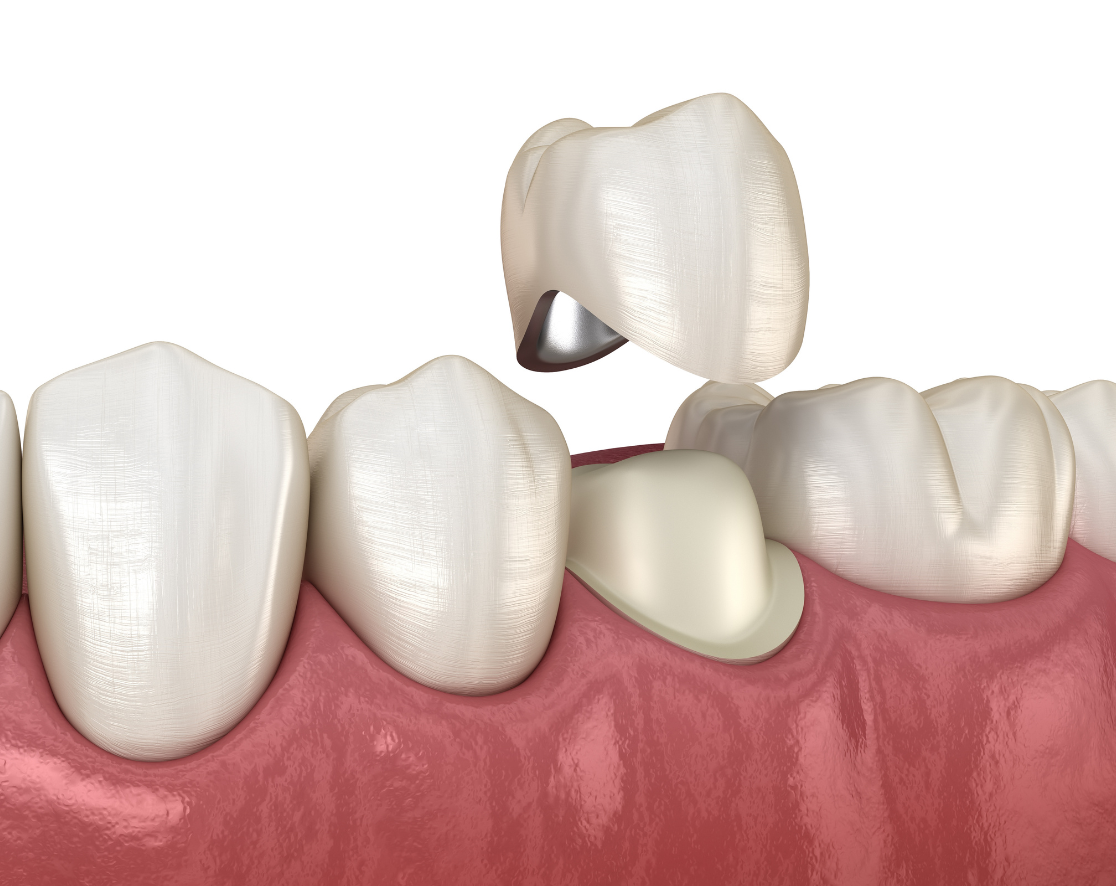
Dental crowns serve as a practical solution when a tooth’s structure requires reinforcement — whether due to trauma, decay, fracture, or the effects of previous dental treatment. Commonly referred to as caps, crowns are meticulously crafted to fit snugly over the remaining tooth structure, extending just above the gumline to allow effective cleaning and protect the tooth beneath.

One of their key advantages is how naturally they blend with the surrounding dentition. Each crown is carefully designed to match the precise shade, shape, and size of the neighbouring teeth, making them virtually undetectable in the mouth. Typically crafted from porcelain or advanced ceramic materials, dental crowns are highly resistant to staining and chipping — delivering both durability and an aesthetically pleasing result that restores the full function and appearance of a compromised tooth.

Book Your Crown Consultation at Conway House

If you have a damaged, weakened, or heavily restored tooth that may benefit from a crown — or if you have a crown that is causing problems — our team at Conway House Dental Practice is here to help. We see patients from Marlow, Beaconsfield and High Wycombe and have the in-house specialist support to manage even the most complex crown cases without referral to another practice.

Contact us today to book your consultation, or call us on 01494 526 578.

Back to General Dentistry Online Booking
down blue white circle arrow down white blue circle arrow

Specialist crown work

Our restorative specialists create perfectly fitted, natural‑looking crowns using advanced materials.

Learn about our specialists

Refer complex cases

Complex crown cases? Refer to our specialist restorative team.

Contact

Get in touch

When Is a Crown Recommended?

A crown may be the right treatment in a number of situations. Your dentist will always explain why a crown is being recommended and what the alternatives are before any preparation work begins.

  • Extensive decay — when a cavity is too large to be reliably restored with a filling, a crown rebuilds and protects the remaining tooth structure. Attempting to place a large filling where a crown is needed often leads to early failure and further damage.
  • Fractured or cracked tooth — teeth that have cracked — particularly those with cracks extending towards the root — are at high risk of splitting. A crown binds the tooth together and prevents further propagation of the crack.
  • After root canal treatment — a root-treated tooth is significantly more brittle than a vital tooth and is at real risk of fracturing without a crown to protect it, particularly in the back of the mouth where biting forces are greatest. Placing a crown after root canal treatment is one of the most important steps in ensuring the long-term survival of the tooth.
  • Heavily worn teeth — grinding (bruxism) or acid erosion can wear teeth to a fraction of their original height. Crowns restore lost tooth structure and re-establish the correct bite height.
  • An implant restoration — when a dental implant is placed to replace a missing tooth, a crown is the final restoration that sits on top of the implant, completing the tooth from root to visible surface.
  • Cosmetic improvement — where a tooth is severely discoloured, misshapen, or cannot be improved by bonding or veneers, a crown can transform its appearance while simultaneously restoring strength.

Crown Materials at Conway House

Full Porcelain and Zirconia Crowns

The most aesthetically natural option. Modern ceramic materials — particularly zirconia — offer exceptional strength alongside excellent appearance, making them suitable for both front and back teeth. Zirconia crowns have largely replaced metal-based restorations in many situations because they combine the aesthetic properties of porcelain with the durability previously associated only with metal. At Conway House, full ceramic crowns are the standard first choice for visible teeth.

Porcelain-Fused-to-Metal (PFM) Crowns

A ceramic veneer bonded to a metal substructure. PFM crowns have been used reliably for decades and remain a good option in some clinical situations, particularly where the existing tooth preparation means a metal substructure offers additional structural benefits. The metal core can occasionally cause a dark line to appear at the gumline over time as the gum naturally recedes slightly with age — this is one reason why full ceramic crowns are often preferred for front teeth today.

Gold and Metal Alloy Crowns

Gold crowns are extremely durable, place minimal stress on opposing teeth, and have a very long clinical track record. They are sometimes the preferred choice for back teeth in patients with heavy biting habits, where ceramic fracture is a concern. While not aesthetically tooth-coloured, they remain a clinically excellent option in the right circumstances — and your dentist will discuss this openly with you where it applies.

What to Expect When Getting a Crown

First Appointment: Preparation and Temporary Crown

The tooth is prepared by reshaping it slightly to allow the crown to sit over it correctly — the amount removed depends on the material being used and the condition of the tooth. A detailed digital scan or impression is taken so the crown can be made to fit precisely. A shade match is recorded to ensure the final crown blends with your surrounding teeth. A temporary crown is fitted to protect the prepared tooth while your permanent crown is being made by our dental laboratory.

Second Appointment: Fitting the Permanent Crown

Approximately two weeks later, the temporary crown is removed and the final crown is tried in. You will have the opportunity to assess the appearance, comfort, and bite before it is permanently cemented. Adjustments can be made at this stage. Once you are satisfied, the crown is bonded or cemented into place. The whole process is carried out under local anaesthetic and is straightforward and comfortable.

Before Your Crown: Getting the Foundations Right

A crown placed on a tooth that has underlying problems is unlikely to last. Before recommending crown preparation, we assess the full picture — including the health of the tooth’s root, the condition of the surrounding gum, and your bite. At Conway House, any issues are addressed in-house before the crown is made.

  • Root canal treatment — if the tooth’s pulp is infected or the nerve has been affected by deep decay, root canal treatment must be completed before the crown is placed. Placing a crown over an infected tooth seals in the infection and leads to predictable failure. Our clinician with a practice limited to endodontics, Dr Anand Mistry, manages complex root canal cases in-house so the transition from endodontic treatment to crown placement is seamlessly coordinated.
  • Gum health — the gum level directly affects both the aesthetics and the long-term health of a crown. If gum disease is present, the tissue is inflamed and its level is unreliable — making it impossible to place a crown with accurate margins. Dr Mital Patel, our Specialist in Periodontics, stabilises gum health before crown preparation where needed, ensuring the final crown sits in a healthy, stable environment.
  • Decay — any active cavities in or around the tooth must be removed before the crown is made. Otherwise the decay continues to progress beneath the crown — one of the most common causes of crown failure.

If any concerns are identified during your assessment, we will always explain your options clearly and will not proceed with crown preparation until the tooth is in the best possible condition to receive it.

When Specialist Involvement Makes a Difference

Most crowns at Conway House are placed by our general dental team. For cases requiring additional expertise, our in-house specialists are available without the need for referral to another practice.

Restorative Dentistry — Mr Ashok Vijayakumar

Complex crown cases — including implant-supported crowns, teeth with heavily worn or compromised foundations, cases where the crown must integrate with a wider restorative plan, and patients with bite-related issues such as bruxism — benefit from the involvement of Mr Vijayakumar, our Consultant and Specialist in Restorative Dentistry (M.Pros RCS Eng, FDS RestDent RCS Eng). His specialist training encompasses the full scope of crown design, occlusal management, and the coordination of crowns within multi-tooth restorative plans. Where a crown is part of a larger picture, Mr Vijayakumar ensures that the whole plan is clinically coherent and the final result is designed to last.

Endodontics — Dr Anand Mistry

Where root canal treatment is required before a crown can be placed, Dr Anand Mistry — a clinician who limits his practice entirely to endodontics and holds an MSc in Endodontics — manages this phase in-house. This is particularly important for teeth with complex canal anatomy, previous failed root canal treatment, or persistent infection. Having the endodontic and restorative stages coordinated within the same practice ensures the crown is placed at the right time, with complete confidence that the root is healthy.

Periodontics — Dr Mital Patel

Crown margins sit at or just below the gumline. Where gum recession has exposed old crown margins, where gum disease threatens the stability of the supporting bone, or where the gum level needs to be corrected before a crown can be placed aesthetically, Dr Mital Patel, our Specialist in Periodontics, manages the periodontal environment. In some cases, a minor surgical procedure called crown lengthening is required to expose sufficient tooth structure for a crown to be placed correctly — this is performed by Dr Patel in-house.

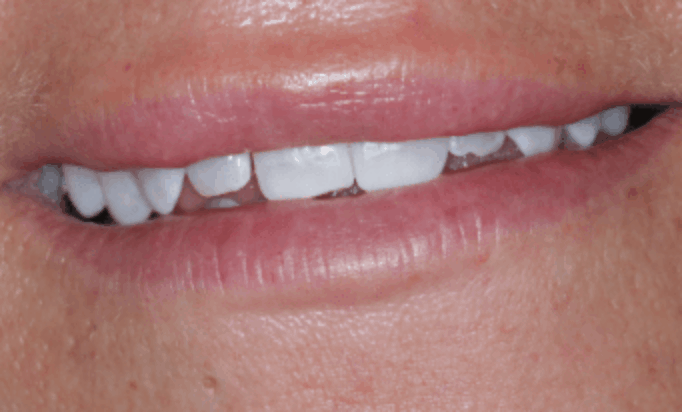
Before - Conway House Dental Before
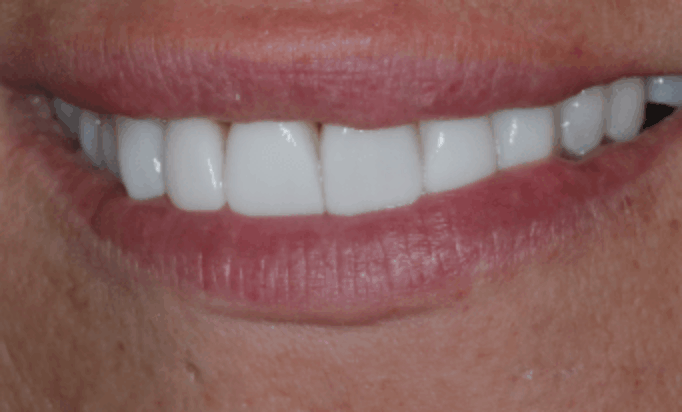
After -Conway House Dental After

Crowns

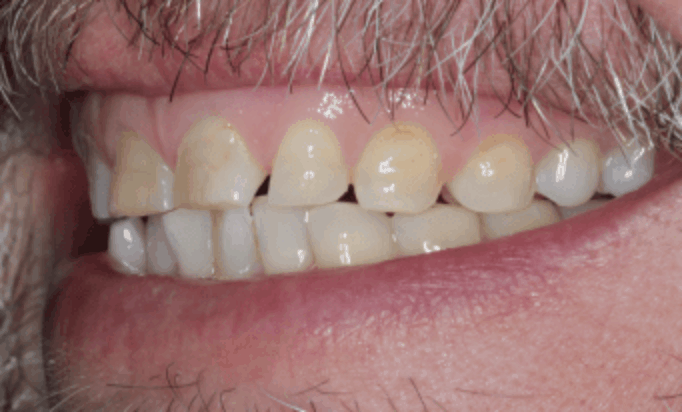
Before - Conway House Dental Before
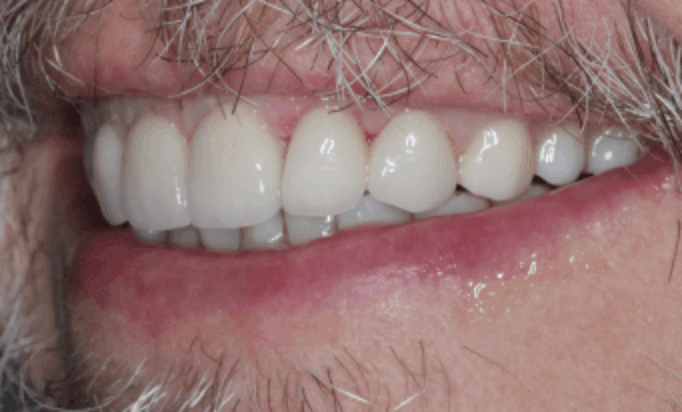
After -Conway House Dental After

Crowns

FAQ

Frequently asked questions

How long does a crown last? right washed out crimson circle arrow down washed out crimson circle arrow

With good oral hygiene and regular professional maintenance, a well-made crown can last fifteen years or more. The most common causes of failure are secondary decay at the crown margin (where the crown meets the tooth), gum disease affecting the supporting bone, and fracture — particularly in patients who grind their teeth. Attending regular check-ups allows us to identify and address any issues before they become costly.

Does having a crown hurt? right washed out crimson circle arrow down washed out crimson circle arrow

The preparation appointment is carried out under local anaesthetic, so the procedure itself should be painless. You may feel some sensitivity in the prepared tooth while you are wearing the temporary crown — this is normal and settles once the permanent crown is fitted. Some patients experience mild sensitivity to temperature for a short time after the final crown is placed; this typically resolves within a few weeks.

Do I always need root canal treatment before a crown? right washed out crimson circle arrow down washed out crimson circle arrow

No — not all teeth requiring crowns need root canal treatment first. If the tooth’s nerve is healthy and there is sufficient remaining tooth structure, a crown can be placed directly. Root canal treatment is needed when the pulp is infected or when the decay extends so close to the nerve that the crown preparation would risk damaging it. Your dentist will assess this carefully before recommending treatment, and will always explain the reasoning clearly.

Can a crown be placed on an implant? right washed out crimson circle arrow down washed out crimson circle arrow

Yes. An implant crown is the most common type of single-tooth implant restoration. The implant (the titanium screw in the bone) acts as the root, and the crown attaches to the top via a component called an abutment. At Conway House, implant placement is performed by Mr Dipesh Patel, our Consultant Oral Surgeon, and the crown design and fitting is coordinated with Mr Vijayakumar, our Specialist in Restorative Dentistry, ensuring the surgical and restorative phases are planned together for the best outcome.

My crown keeps coming off or failing. What can be done? right washed out crimson circle arrow down washed out crimson circle arrow

Repeatedly failing crowns are usually a sign of an underlying issue that was not identified or managed before the crown was placed — active gum disease, an undiagnosed root problem, a bite issue, or a poorly designed restoration. Mr Vijayakumar, our Specialist in Restorative Dentistry, sees patients with repeatedly failing restorations and will investigate the cause before recommending a replacement, ensuring the new crown is built on a genuinely sound foundation.

How much does a crown cost in High Wycombe? right washed out crimson circle arrow down washed out crimson circle arrow

The cost depends on the material chosen and the complexity of the case. We provide clear, itemised pricing at your consultation before any preparation work begins. Flexible payment options are available, including 0% finance subject to status, to help spread the investment.

FAQs Thumb
Google Rating
5.0
Google Rating
Google-review