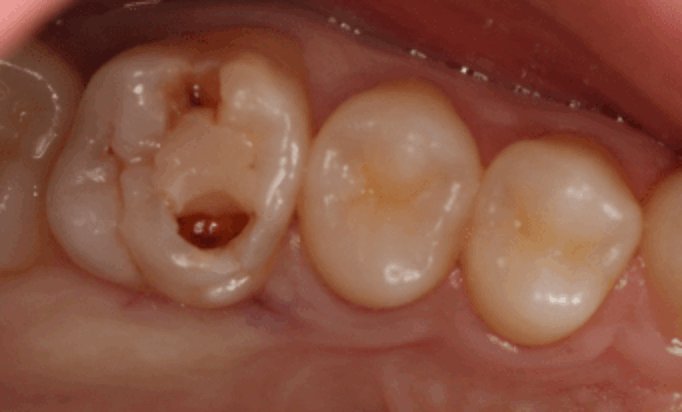
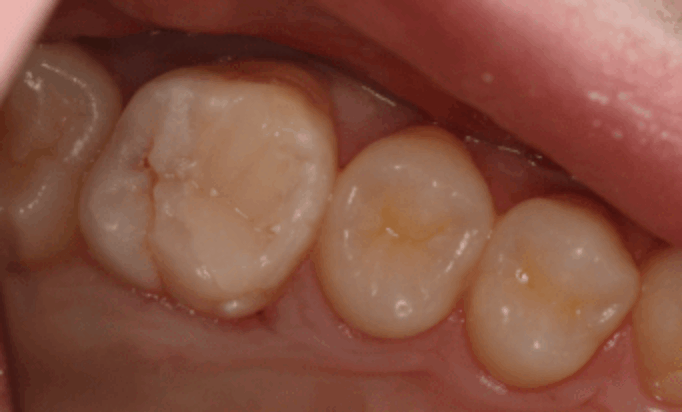
Most fillings are managed entirely within our general dental team. Occasionally, a filling appointment reveals more than was initially apparent, or a tooth’s condition warrants a different level of care. At Conway House, specialist expertise is available in-house for exactly these situations.
Endodontics — When Decay Is Deeper Than Expected
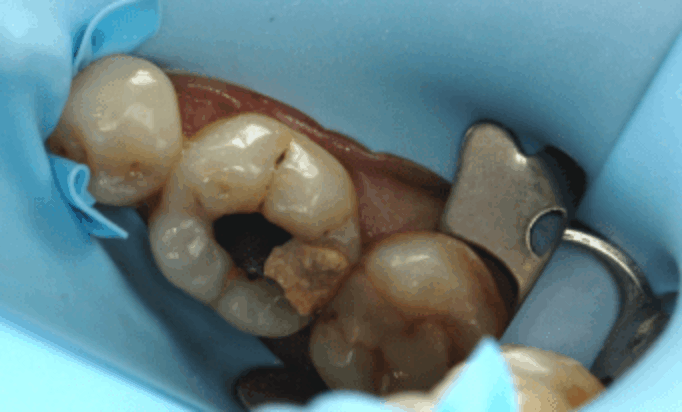
If decay has progressed close to or into the pulp of the tooth, a standard filling may not resolve the problem. Symptoms such as spontaneous toothache, prolonged sensitivity to heat, or pain that wakes you at night can indicate pulp involvement that will not settle with a filling alone. In these cases, root canal treatment is needed before the tooth can be restored. Dr Anand Mistry, our clinician with a practice limited entirely to endodontics, manages complex root canal cases in-house — ensuring the tooth is treated correctly before the final restoration is placed.
Restorative Dentistry — When a Filling Is Not Enough
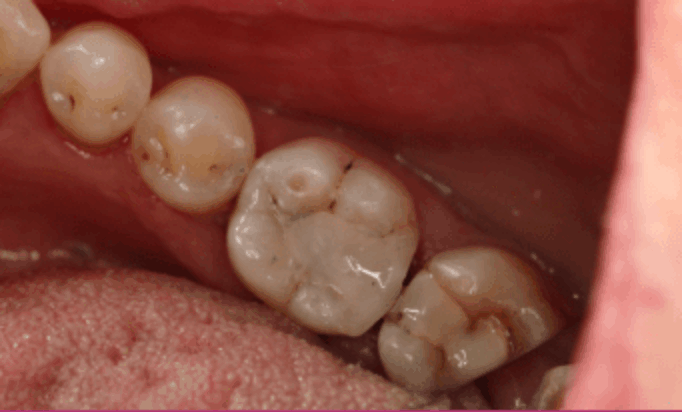
Where a cavity is large, a tooth has been significantly weakened by previous restorations, or the remaining tooth structure cannot reliably support a long-term filling, Mr Ashok Vijayakumar, our Consultant and Specialist in Restorative Dentistry (M.Pros RCS Eng, FDS RestDent RCS Eng), can advise on and provide the appropriate restoration — whether that is a porcelain inlay, onlay, or crown. Getting this decision right matters: a large composite filling in a heavily loaded back tooth is a common cause of tooth fracture and repeated restoration failure. Specialist restorative input ensures the treatment is planned for the long term, not just the immediate appointment.
Periodontics — Fillings at the Gumline
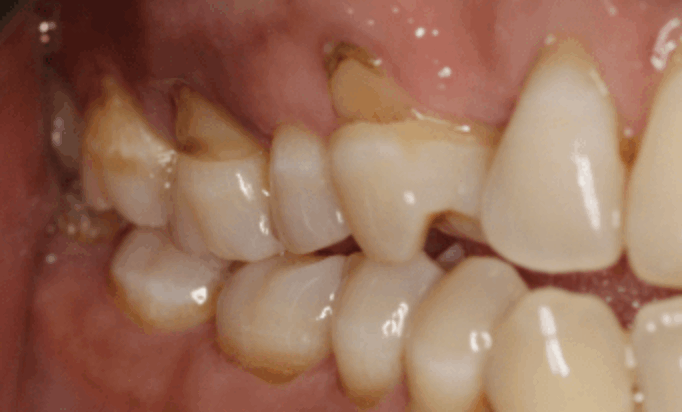
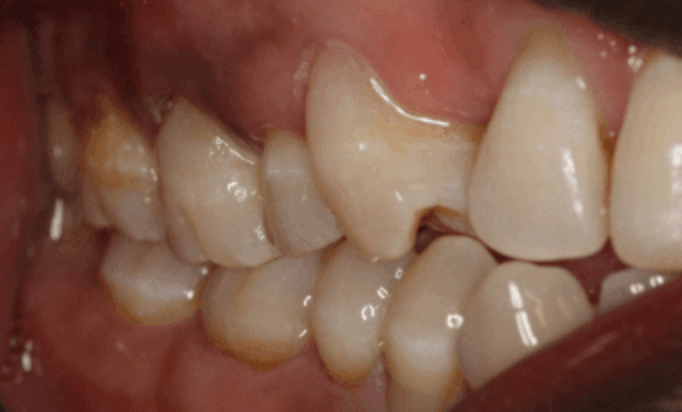
Decay or worn restorations at or below the gumline present particular challenges — the gum tissue is directly involved, and its health affects both the ability to place a filling correctly and the longevity of the result. Where gum disease or recession is contributing to the problem, Dr Mital Patel, our Specialist in Periodontics, can address the periodontal condition as part of a coordinated treatment plan, ensuring the restored tooth has a healthy gum environment around it.