Contact Us

Specialist-led periodontal care that protects your teeth, restores your gum health, and opens the door to the smile you want.

Gum disease is the leading cause of tooth loss in adults in the UK — yet in its early stages, it causes few or no symptoms. Many patients are unaware they have it until significant damage has already been done. At Conway House Dental Practice, we take gum health seriously at every level of care: from preventive hygiene appointments through to specialist periodontal treatment led by Dr Mital Patel, our GDC-registered Specialist in Periodontics.

Whether you have been told your gums are inflamed, have noticed bleeding when you brush, or have been referred for periodontal treatment, we can assess, treat and manage your gum health — at a pace that suits you, and with the specialist oversight that your long-term oral health deserves.

What Is Gum Disease?

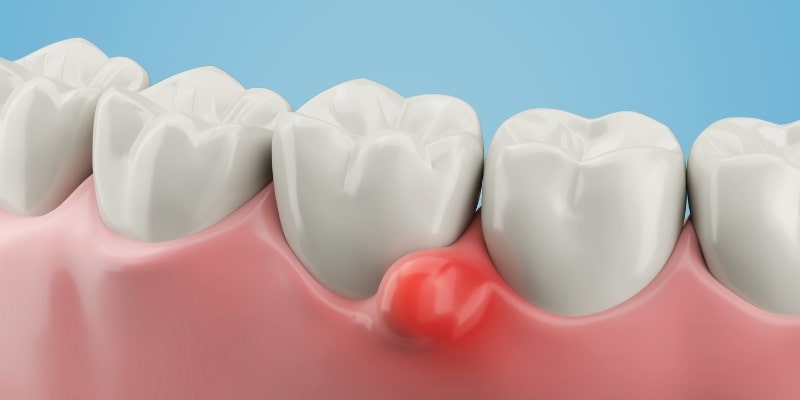
Gum disease is an infection of the structures that support your teeth — the gums, the periodontal ligament, and the jawbone. It is caused by plaque, the sticky film of bacteria that forms on teeth and along the gumline. If plaque is not removed through effective brushing and flossing, the bacteria within it trigger an inflammatory response in the gum tissue.

Gum disease progresses in stages:

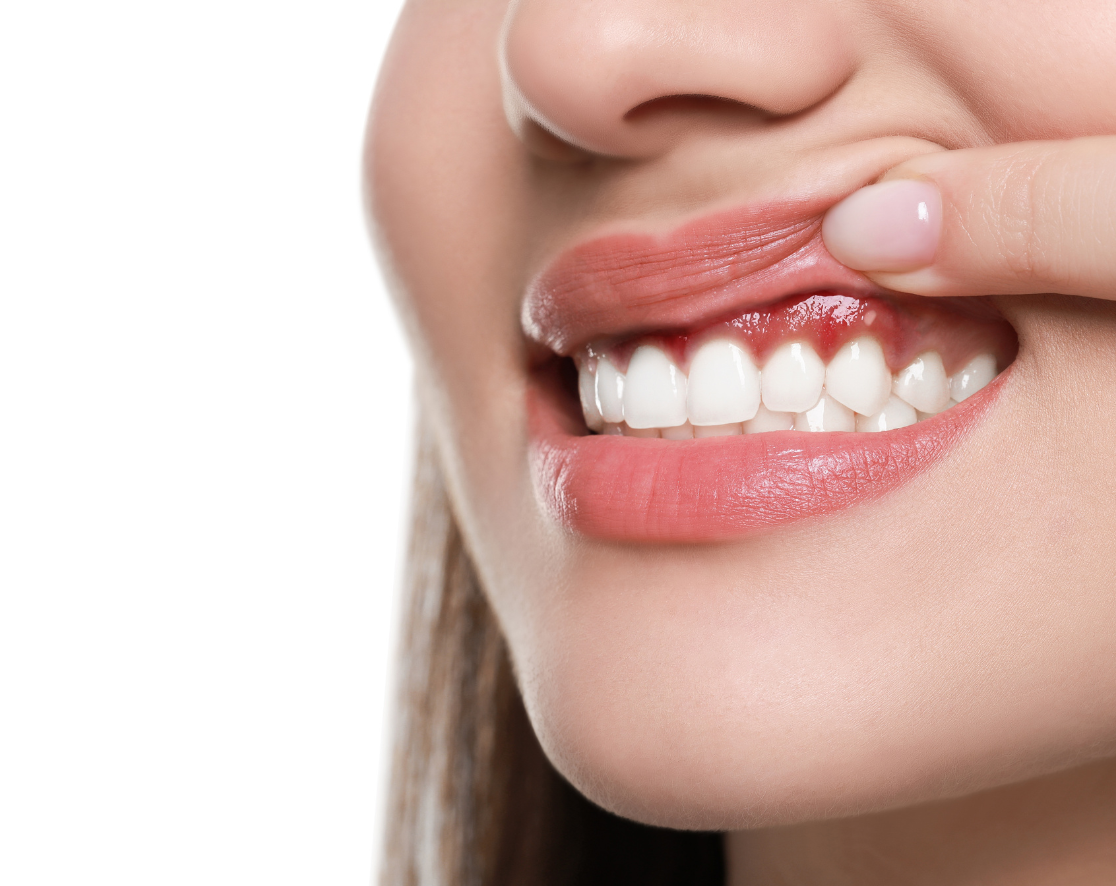
  • Gingivitis — the mildest form, causing red, swollen, and bleeding gums. At this stage, the damage is entirely reversible with professional cleaning and improved home care.
  • Periodontitis — when gingivitis is left untreated, the infection spreads below the gumline. Pockets form between the teeth and gums, the bone supporting the teeth begins to deteriorate, and — without treatment — teeth can become loose and be lost.
  • Advanced Periodontitis — significant bone and attachment loss, often requiring specialist intervention to slow progression, manage symptoms, and preserve the remaining teeth.

The speed at which gum disease progresses varies considerably between individuals. Some patients remain stable at gingivitis for years; others progress rapidly to periodontitis. This is why professional monitoring is essential — and why the involvement of a specialist can make a decisive difference.

Book Your Periodontal Consultation Today

If you are concerned about your gum health, have been advised to see a specialist, or are looking for a dental team that takes periodontal care seriously in Marlow, Beaconsfield or High Wycombe, Conway House is here to help.

Book a consultation with Dr Mital Patel today. We will assess your gum health thoroughly, explain what we find in plain language, and work with you on a treatment plan designed around your long-term oral health — and your wider smile goals.

Back to Specialist Dentistry Online Booking Smoking Cessation
down blue white circle arrow down white blue circle arrow

Contact

Get in touch

TREATMENT

Dr Mital Patel: Specialist Periodontist at Conway House

We are fortunate to have the talents of Dr Patel, who brings his expertise in gum health to our dental practice in High Wycombe. Specialist dentists such as Dr Patel have completed additional years of training to become specifically knowledgeable and qualified in a particular field. Dr Patel can treat various gum disease cases, from the very simple to the highly complex, requiring multidisciplinary care and action.

Online Booking

TREATMENT

Is Gum Disease Treatment a Painful Process?

It is one of the most common questions asked by our patients.

As a dental practice with a Specialist Periodontist, we are well-experienced at delivering minimally invasive gum disease treatment wherever possible. We also offer sedation to patients who feel apprehensive about the procedure recommended by Dr Patel.

Online Booking
Conway House Dental

Signs and Symptoms of Gum Disease

Gum disease is often painless until it is well established. Look out for:

  • Bleeding gums — particularly when brushing or flossing. Bleeding is not normal and is always worth investigating.
  • Red, swollen or tender gums — healthy gums are firm and pale pink. Inflammation is the earliest visible sign of disease.
  • Persistent bad breath — caused by bacteria in the periodontal pockets releasing sulphur compounds.
  • Receding gums — teeth appearing longer as the gum margin moves down the root surface.
  • Loose or drifting teeth — as bone support is lost, teeth may shift position, creating gaps or changes to your bite.
  • Sensitivity at the gumline — as roots become exposed through recession, they become vulnerable to temperature changes.

If you are experiencing any of these signs, contact us promptly. Early treatment is far simpler and more effective than managing advanced disease — and it preserves the foundation for every other dental treatment you may want in the future.

What Causes Gum Disease?

While plaque is the primary cause, several factors increase your susceptibility and the speed at which disease progresses:

  • Smoking — the single most significant modifiable risk factor. Smoking reduces the blood supply to the gums, masks the signs of disease (smokers bleed less, making problems harder to spot), and dramatically reduces the success rate of treatment. Supporting patients who wish to stop smoking is part of how we approach periodontal care at Conway House — ask our team about our smoking cessation service.
  • Diabetes — uncontrolled blood sugar impairs the body’s ability to fight infection, making gum disease harder to treat and more likely to progress. Equally, severe periodontitis can make blood sugar harder to control — the relationship is two-way.
  • Genetics — some individuals are significantly more susceptible to periodontitis regardless of how well they clean their teeth. A specialist assessment can determine your risk profile.
  • Hormonal changes — pregnancy, the menopause, and certain medications can all alter the gum’s response to plaque, increasing vulnerability.
  • Certain medications — some drugs (including calcium channel blockers and some anticonvulsants) can cause gum overgrowth, making plaque control more difficult.

Our Approach: Specialist Periodontal Care Led by Dr Mital Patel

At Conway House, gum disease treatment is led by Dr Mital Patel — a GDC-registered Specialist in Periodontics holding a Master of Clinical Dentistry in Periodontics (MClinDent Perio) and Membership of the Royal College of Surgeons in Periodontics (MPerio RCS Ed). These are postgraduate qualifications attained after years of dedicated specialist training, and they represent a level of clinical knowledge and competence that goes well beyond what a general dentist can offer.

Dr Patel treats gum disease cases across the full spectrum of complexity — from straightforward gingivitis through to advanced periodontitis requiring surgical intervention and multidisciplinary care. Patients are referred to Dr Patel from within Conway House and from other dental practices across the region.

Root Surface Debridement (Deep Cleaning)

The cornerstone of active periodontal treatment, root surface debridement (RSD) removes plaque, calculus (tartar) and bacteria from below the gumline and from the root surfaces of affected teeth. This is carried out under local anaesthetic in a series of appointments, and allows the gum tissue to heal and re-attach. Most patients notice a significant improvement in bleeding, sensitivity and gum health within weeks of completing active treatment.

Periodontal Surgery

In cases where pockets are too deep for effective debridement from above the gumline, surgical access may be required. Dr Patel is experienced in the full range of periodontal surgical techniques, including pocket reduction surgery, regenerative procedures (using bone graft or membrane materials to rebuild lost bone), and soft tissue grafting to address recession. These procedures are performed in-house, under local anaesthetic, and often with sedation available for patients who prefer it.

Ongoing Maintenance and Supportive Periodontal Therapy

Periodontal disease cannot be cured — it can only be controlled. Once active treatment is complete, regular maintenance appointments with both our hygienist team and Dr Patel are essential to monitor stability, reinforce home care, and detect any recurrence early. The interval between your maintenance visits will be tailored to your individual risk level.

Is Gum Disease Treatment Painful?

This is one of the most common questions we receive — and an understandable concern. The honest answer is that modern periodontal treatment, carried out by an experienced specialist, is far more comfortable than most patients expect.

Root surface debridement is performed under local anaesthetic, so the procedure itself is painless. Some sensitivity and mild gum soreness in the days following treatment is normal and settles quickly. For patients who feel anxious about any dental procedure, we offer IV sedation, which induces a deeply relaxed state while you remain conscious and able to respond. Our team will always discuss your comfort preferences before any treatment begins.

How Gum Health Connects to Other Treatments at Conway House

Healthy gums are not just important for their own sake. They are the foundation upon which every other dental treatment — cosmetic, restorative, or surgical — depends. Because Conway House offers comprehensive specialist care under one roof, your gum health is considered in the context of your whole dental picture.

Teeth Whitening — Your Reward for Healthy Gums

Many patients who seek treatment for gum disease are also interested in improving the appearance of their smile. The good news is that professional teeth whitening becomes safely available once gum health is stable. Whitening gel applied to inflamed or infected gum tissue can cause significant discomfort and compromised results — which is why our whitening page is explicit that gum disease must be resolved first.

Once your gum health is confirmed as stable, whitening with our Enlighten or White Dental Beauty systems can be planned as the next step in your smile journey. We will match the whitening shade to any existing restorations and guide you through a custom home whitening programme designed around your lifestyle. For many of our periodontal patients, completing treatment and moving on to whitening marks a real turning point — not just clinically, but in how they feel about their smile.

If you are currently in periodontal treatment and are interested in teeth whitening as a next step, let your clinician know. We can factor this into your treatment planning so that once your gums are healthy, whitening can begin without delay.

Dental Implants — Why Gum Health Is Non-Negotiable Before and After

Uncontrolled gum disease is the most significant preventable cause of dental implant failure. Patients who have periodontitis — or who have had it in the past — are at elevated risk of peri-implantitis, a serious infection of the tissue surrounding an implant that can lead to bone loss and implant loss if not managed expertly.

Dr Mital Patel works closely with our implant specialists Mr Dipesh Patel (Consultant Oral Surgeon) and Mr Ashok Vijayakumar (Specialist in Restorative Dentistry) to ensure that periodontal disease is fully controlled before implant placement, and that the gum environment around any implant is monitored and maintained throughout its life. If you are considering implants and have a history of gum disease, a periodontal assessment with Dr Mital Patel is an essential first step.

Restorative Dentistry — Gum Recession and Its Cosmetic Consequences

Gum recession — a common consequence of periodontitis — leaves root surfaces exposed, changes the appearance of the gumline, and can affect the fit and aesthetics of crowns, veneers and other restorations. Once recession is stabilised through periodontal treatment, soft tissue grafting can restore a more even gumline. Where recession has affected existing restorations, Mr Ashok Vijayakumar can replace or refine them to achieve an aesthetic result that complements your treated gums.

Oral Surgery — Managing Teeth That Cannot Be Saved

In cases of advanced periodontitis, some teeth may have lost so much bone support that extraction becomes the most appropriate decision. Our Consultant Oral Surgeon Mr Dipesh Patel performs these extractions in-house, with a clear plan for what comes next — whether that is a bridge, denture, or implant. The decision to extract is always made carefully and collaboratively, and never without discussing the long-term plan for tooth replacement.

Gum Disease and Your General Health

Research over the past two decades has established strong links between periodontal disease and a range of systemic health conditions. Chronic low-grade infection and inflammation in the gums appears to have effects well beyond the mouth:

  • Cardiovascular disease — periodontal bacteria have been found in atherosclerotic plaques, and gum disease is associated with increased risk of heart disease and stroke.
  • Diabetes — as noted above, the relationship is bidirectional. Treating periodontitis can improve blood sugar control in diabetic patients.
  • Preterm birth and low birth weight — pregnant women with periodontitis have a higher risk of adverse pregnancy outcomes. We always recommend a periodontal check during pregnancy.
  • Respiratory disease — bacteria from the mouth can be inhaled into the lungs, contributing to conditions such as pneumonia and worsening COPD.

Treating your gum disease is not just about saving your teeth. It is an investment in your overall health.

FAQ

Frequently asked questions

How do I know if I have gum disease? right washed out crimson circle arrow down washed out crimson circle arrow

Many patients have no symptoms in the early stages. The most common early signs are bleeding gums when brushing, persistent bad breath, and red or swollen gum tissue. A periodontal assessment — which includes measuring the depth of the pockets between your teeth and gums — is the only reliable way to diagnose and stage the condition. If you are unsure, book a check-up and ask your dentist to assess your gum health.

Can gum disease be cured? right washed out crimson circle arrow down washed out crimson circle arrow

Gingivitis — the mildest form — is fully reversible with professional cleaning and improved home care. Periodontitis cannot be cured, but it can be controlled very effectively with specialist treatment and regular maintenance. The goal is to halt progression, stabilise the bone levels, and prevent further tooth loss. Many patients maintain their teeth for decades after a periodontitis diagnosis with the right care.

Can I have teeth whitening if I have gum disease? right washed out crimson circle arrow down washed out crimson circle arrow

Not until your gum disease is under control. Whitening gel applied to inflamed gum tissue causes discomfort and produces poor, uneven results. Once your periodontal treatment is complete and your gums are stable, whitening becomes an option — and many of our patients make it their next step. We plan this sequencing carefully so the transition is smooth.

I have dental implants — do I still need to worry about gum disease? right washed out crimson circle arrow down washed out crimson circle arrow

Yes. Implants can develop their own form of gum disease, called peri-implantitis, which attacks the bone and tissue around the implant. It is treatable when caught early, but can lead to implant failure if ignored. Regular professional maintenance with our hygiene and periodontal team is essential for any patient with implants, particularly those with a history of gum disease.

Will I need surgery? right washed out crimson circle arrow down washed out crimson circle arrow

Most patients with mild to moderate periodontitis respond well to root surface debridement alone, without surgery. Surgical treatment is considered when pockets remain too deep to clean effectively after completing active non-surgical treatment, or when bone regeneration is a realistic goal. Dr Patel will always discuss the evidence and options with you clearly before any surgical decision is made.

How long does treatment take? right washed out crimson circle arrow down washed out crimson circle arrow

This depends on the severity of your disease and how well your gums respond to initial treatment. A course of root surface debridement typically spans two to four appointments over four to six weeks, followed by a review after eight to twelve weeks to assess the response. Surgical treatment, if required, adds further appointments. After active treatment, you enter a maintenance programme with appointments tailored to your individual risk level.

How much does gum disease treatment cost in Marlow and Beaconsfield? right washed out crimson circle arrow down washed out crimson circle arrow

Costs vary depending on the severity of your disease and the treatment required. We provide a clear, itemised treatment plan before any work begins, so there are no surprises. Flexible payment options are available, including 0% finance subject to status. A specialist periodontal consultation is also available for patients wishing to seek a second opinion or a more in-depth assessment of their gum health.

FAQs Thumb

Meet the Gum Health Professionals You Can Trust

Meet the Professionals Protecting and Restoring Gum Health with Expertise and Care

Skilled professionals providing advanced care and lasting gum health results.

Dr Mital Patel

Specialist in Periodontics

BDS (Hons), MFDS RCS (Ed), MClinDent (Perio), MPerio RCS (Ed)

GDC Number: 229253

Mital graduated in dentistry, with honours, from Cardiff University in 2012 and attained the Membership of the Faculty…

Read More

Mital graduated in dentistry, with honours, from Cardiff University in 2012 and attained the Membership of…

Google Rating
5.0
Google Rating
Google-review