Contact Us

Saving teeth with pain-free, specialist-standard root canal care — carried out by a clinician whose practice is dedicated entirely to endodontics.

Root canal treatment has an undeserved reputation. For most patients, the procedure is no more uncomfortable than a routine filling — and the relief from the toothache that led to it is immediate. More importantly, it gives a tooth that would otherwise need to be removed a genuine chance of lasting many more years.

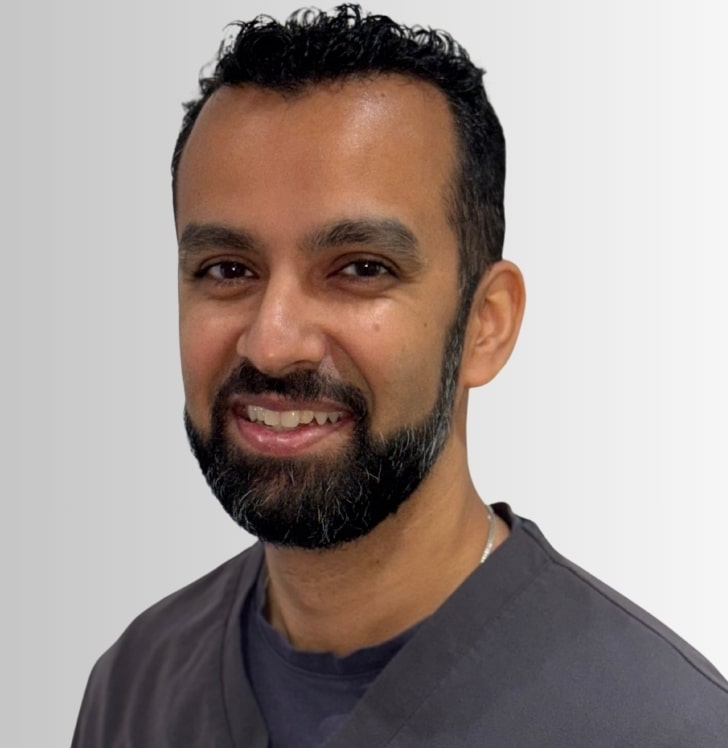
At Conway House Dental Practice, root canal treatment is carried out by Dr Anand Mistry, a clinician who limits his practice entirely to endodontics. This means every case he sees, from the most straightforward single-rooted tooth to the most complex re-treatment, receives the same focused expertise and the latest endodontic technology. We welcome patients from Marlow, Beaconsfield and High Wycombe, both directly and through referral from other dental practices.

What Is Endodontics?

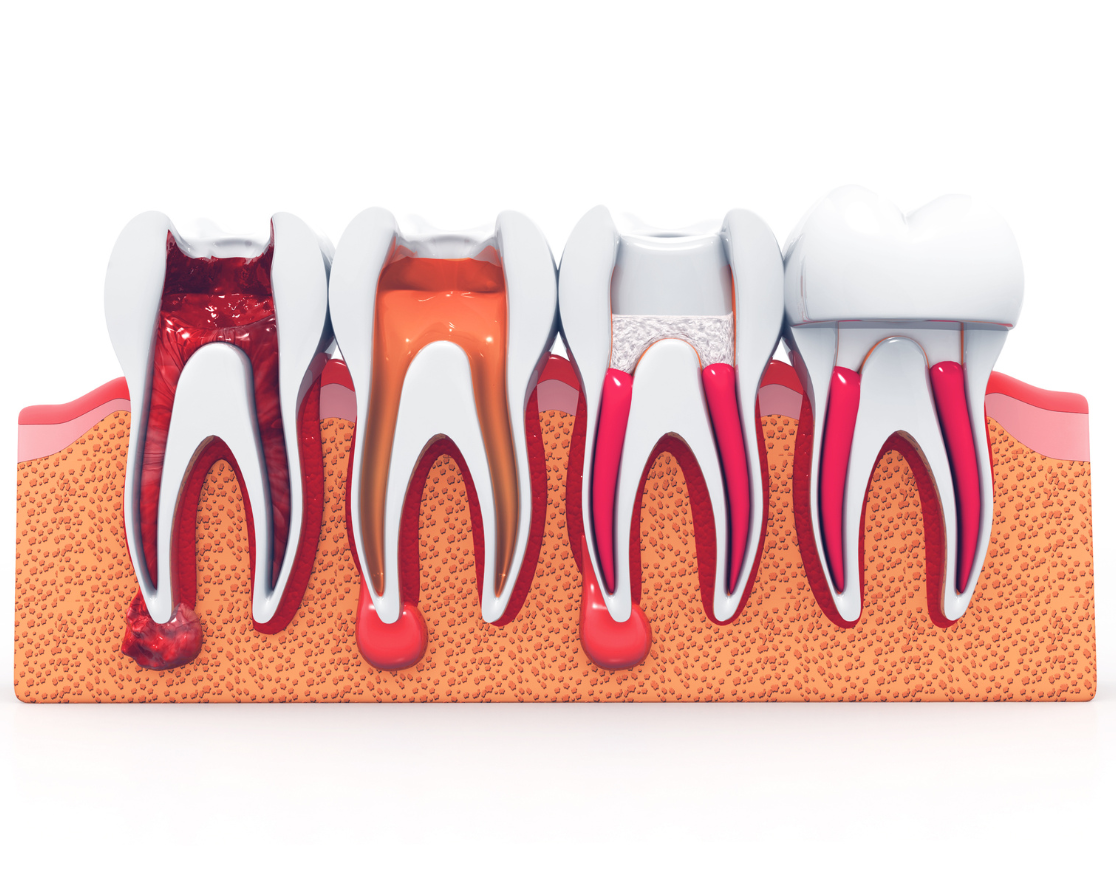
Endodontics is a dental procedure focused on saving a tooth that has been severely damaged by decay, infection, or trauma. When bacteria reach the inner pulp of the tooth, they can trigger significant pain, sensitivity, and even lead to an abscess.

During endodontic treatment, the infected or inflamed tissue inside the tooth is carefully removed, the area is thoroughly cleaned, and the tooth is sealed with a filling or crown to restore its strength and function. This not only relieves discomfort but also prevents the need for tooth extraction. Thanks to modern techniques and local anaesthesia, endodontic procedures are now more comfortable and efficient than ever.

Book Your Endodontic Consultation at Conway House

If you are experiencing toothache, sensitivity, or swelling — or have been told you may need root canal treatment — Conway House Dental Practice is here to help. Dr Anand Mistry’s dedicated focus on endodontics gives your tooth the best possible chance of a long and healthy future.

Contact us today to book a consultation. We welcome patients from Marlow, Beaconsfield and High Wycombe directly and through referral from other practices.

Back to Specialist Dentistry Online Booking

down blue white circle arrow down white blue circle arrow

Endodontics specialist

Complex root canal treatments require specialist expertise. Our endodontics specialist provides advanced care using latest techniques.

95%+ Tooth preservation rate Book specialist appointment

Refer difficult cases

Complex or retreatment cases? Our endodontics specialist accepts referrals.

Contact

Get in touch

Why Would You Need Endodontic Treatment?

Endodontic treatment becomes necessary when the soft tissue inside the tooth — the pulp — becomes infected or inflamed. This can happen for several reasons:

  • Deep decay reaching the nerve — when a cavity is left untreated, bacteria can travel through the enamel and dentine into the pulp, causing infection and significant pain.
  • Trauma or a cracked tooth — a knock, crack, or fracture can expose the pulp to bacteria even without obvious decay.
  • A failed or leaking restoration — a filling or crown that has broken down over time can allow bacteria to re-enter the tooth and infect the pulp.
  • Repeated dental procedures — a tooth that has been worked on multiple times can become sensitive and eventually develop pulp inflammation.

If left untreated, pulp infection leads to severe pain, facial swelling, abscess formation, and ultimately tooth loss. Endodontic treatment removes the source of infection, eliminates pain, and preserves your natural tooth — avoiding extraction and the need for a replacement.

Signs That You May Need Root Canal Treatment

Some patients have no symptoms at all — infection is found only on a routine X-ray. Others experience one or more of the following:

  • Persistent toothache, particularly when biting or applying pressure.
  • Prolonged sensitivity to hot or cold that lingers after the source is removed.
  • A darkening or discolouration of the tooth.
  • Swelling or tenderness in the gum near the affected tooth.
  • A persistent spot or small pimple on the gum — this can indicate a draining abscess.

If you are experiencing any of these symptoms, contact us as soon as possible. Early treatment is simpler, more comfortable, and gives the tooth the best chance of long-term survival.

Dr Anand Mistry: A Practice Dedicated Entirely to Endodontics

Dr Anand Mistry holds the qualifications BDS (Lond), MFDS RCSEd, and MSc Endo. He limits his practice entirely to private endodontics — meaning root canal treatment is not just one of many treatments he offers, it is the only one. This level of dedicated focus produces meaningfully better outcomes, particularly for complex cases including teeth with unusual anatomy, calcified canals, or previous endodontic treatment that has failed.

Dr Mistry uses the latest endodontic technology, including operating microscopes for enhanced magnification and precision, rotary instrumentation for thorough canal cleaning, and digital imaging to assess the full anatomy of the root system before and during treatment. Patients consistently report that the experience was far more straightforward and comfortable than they expected.

He accepts referrals from dental practices across Marlow, Beaconsfield, and High Wycombe for cases that require specialist endodontic expertise, as well as treating patients who book directly at Conway House.

What to Expect During Root Canal Treatment

Before Treatment

Dr Mistry will review your dental history, take X-rays, and assess the tooth carefully before recommending treatment. In some cases, CBCT 3D imaging provides a more detailed picture of the root anatomy — particularly useful for teeth with multiple or curved canals. You will receive a clear explanation of the procedure, what to expect, and the realistic prognosis for the tooth before anything begins.

During Treatment

The tooth is numbed with local anaesthetic — the injection is typically the most uncomfortable part, and even that is brief. A rubber dam is placed around the tooth to keep the area clean and dry. Dr Mistry then accesses the pulp chamber, removes the infected tissue, and carefully cleans and shapes the root canals using precision instruments. The canals are then filled and sealed. Treatment is typically completed in one or two appointments depending on the complexity of the case.

After Treatment

Some mild tenderness in the days following treatment is normal as the surrounding tissue heals. This is usually well managed with over-the-counter pain relief and settles quickly. A root-treated tooth is more brittle than a vital tooth and should be protected with a crown — this is an important step that significantly improves the long-term survival of the tooth.

After Root Canal Treatment: Protecting and Restoring the Tooth

Root canal treatment saves the tooth — but the work is not finished there. A successfully treated tooth still needs a well-designed restoration to protect it long term. This is where Conway House’s in-house specialist team makes a real difference.

Restorative Dentistry — Crowning the Root-Treated Tooth

A tooth that has undergone root canal treatment loses moisture over time and becomes more prone to fracture. In most cases — particularly for back teeth that bear the load of chewing — a crown is essential to prevent the tooth from cracking. Mr Ashok Vijayakumar, our Consultant and Specialist in Restorative Dentistry (M.Pros RCS Eng, FDS RestDent RCS Eng), designs and places crowns for root-treated teeth at Conway House. This integrated pathway — endodontic treatment followed directly by specialist restorative care — means the transition is seamless and the tooth is protected in the most appropriate way.

Periodontics — When Gum Disease Mimics or Complicates Tooth Pain

Not all dental pain originates from the pulp. Advanced gum disease can cause bone loss around the root that produces symptoms similar to pulp infection — and in some cases, infection can spread between the pulp and the surrounding bone in what is called a perio-endo lesion. These cases require careful diagnosis before any treatment is planned. Dr Mital Patel, our Specialist in Periodontics, works alongside Dr Mistry on these complex presentations to ensure the correct cause is identified and the right treatment is delivered — rather than performing unnecessary root canal treatment on a tooth whose real problem is periodontal.

Oral Surgery — When a Tooth Cannot Be Saved

Most teeth referred for root canal treatment can be saved. Occasionally, however, the infection is too advanced, the tooth is too structurally compromised, or previous treatment has failed in a way that cannot be retreated successfully. In these situations, Dr Mistry will discuss the situation honestly with you. If extraction becomes the best option, Mr Dipesh Patel, our Consultant Oral Surgeon, manages the procedure in-house — and the conversation about tooth replacement (bridge, implant, or denture) begins immediately, so you are never left without a plan.

FAQ

Frequently asked questions

Does root canal treatment hurt? right washed out crimson circle arrow down washed out crimson circle arrow

This is the question almost every patient asks — and the honest answer is that for the vast majority of people, it does not. The procedure is carried out under local anaesthetic, and modern endodontic techniques are designed to be as comfortable as possible. Most patients are genuinely surprised by how straightforward it feels. Some tenderness in the days afterwards is normal and temporary. If you are anxious about the procedure, speak to our team — we can discuss ways to help you feel more relaxed.

How many appointments will I need? right washed out crimson circle arrow down washed out crimson circle arrow

Most root canal treatments are completed in one or two appointments with Dr Mistry. Complex cases — including teeth with multiple or unusual canals, or retreatment of a previous root canal — may require additional visits. You will be given a clear timeline at your initial assessment.

Do I definitely need a crown after root canal treatment? right washed out crimson circle arrow down washed out crimson circle arrow

In most cases, yes — particularly for back teeth. A root-treated tooth is structurally weaker and significantly more likely to fracture without a crown protecting it. Front teeth, which are under less biting force, can sometimes be restored with a filling, but this is assessed on a case-by-case basis. Mr Vijayakumar, our Specialist in Restorative Dentistry, will advise on the most appropriate restoration for your specific tooth.

What happens if I do not have root canal treatment? right washed out crimson circle arrow down washed out crimson circle arrow

Without treatment, the infection will not resolve on its own. It will spread through the root tip into the surrounding bone, causing increasing pain, swelling, and abscess formation. Eventually the tooth will require extraction. Antibiotics can reduce the symptoms temporarily but do not treat the underlying infection. Root canal treatment is almost always preferable to extraction — it preserves the natural tooth, maintains bone volume, and avoids the cost and complexity of replacement.

My root canal treatment failed. Can it be retreated? right washed out crimson circle arrow down washed out crimson circle arrow

Yes, in many cases. Root canal retreatment involves reopening the tooth, removing the original filling material, re-cleaning the canals, and resealing. It is more technically demanding than the original treatment and is one of the cases where Dr Mistry’s dedicated focus on endodontics is most valuable. If retreatment is not possible, a surgical procedure called an apicoectomy — which addresses the infection at the root tip — may also be an option. Dr Mistry will assess the tooth and give you an honest view of the realistic options.

How much does root canal treatment cost in Marlow and Beaconsfield? right washed out crimson circle arrow down washed out crimson circle arrow

Cost depends on the tooth being treated — front teeth with single canals are less complex than back teeth with three or four canals — and whether the case is a first treatment or a retreatment. We provide clear, itemised costs at your consultation before any treatment begins. Flexible payment options are available, including 0% finance subject to status.

FAQs Thumb

Your Trusted Endodontic Care Team

Highly trained professionals in specialist endodontic treatment

Focused on delivering durable, high-quality outcomes

Dr Anand Mistry

Practice Limited to Endodontics

BDS (Lond) MFDS RCSEd MSc Endo

GDC Number: 103981

Dr Anand Mistry limits his practice to private endodontics, providing enhanced, pain-free root canal treatments using the latest…

Read More

Dr Anand Mistry limits his practice to private endodontics, providing enhanced, pain-free root canal treatments using…

Google Rating
5.0
Google Rating
Google-review