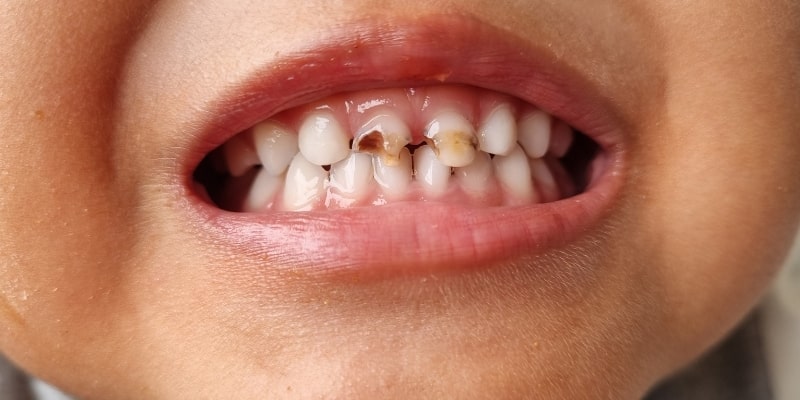
Dental decay, also known as tooth decay or cavities, is a common oral health problem that happens when the protective outer layer of the tooth (enamel) gets damaged. This damage is caused by bacteria in the mouth that feed on sugars from food and drinks, producing acids that weaken the teeth over time. Poor oral hygiene, frequent snacking on sugary or acidic foods, and not brushing or flossing regularly can speed up the decay process.
If left untreated, cavities can lead to pain, infections, and even tooth loss. The good news is that dental decay is preventable with good oral care habits, such as brushing twice a day, flossing, limiting sugary foods, and visiting the dentist regularly for check-ups.
Dental decay, also called cavities, happens when bacteria in the mouth produce acids that damage the tooth’s surface. In the early stages, you may not notice any symptoms, but as the decay worsens, you might experience tooth sensitivity, pain when eating sweet, hot, or cold foods, or visible holes or dark spots on your teeth.
Other signs include bad breath, a lingering bad taste, or discomfort when biting down. If left untreated, decay can lead to serious infections and tooth loss. Regular brushing, flossing, and dental check-ups can help catch and prevent cavities before they become painful problems.
Back to Specialist Dentistry Online Booking

Treating dental decay depends on how severe the cavity is. In the early stages, small cavities can be fixed with a white composite resin filling, which blends with your natural tooth for a seamless look or using amalgam fillings (silver-colored).
When the decay has eaten away at a large portion of the tooth structure, your dentist may recommend porcelain inlays/onlays (tooth-colored, durable options) to restore the tooth’s strength.
If the decay reaches the inner part of the tooth and causes infection, a root canal treatment (RCT) may be needed to remove the infected tissue, clean the tooth, and seal it with a filling or crown. Regular dental check-ups help catch decay early, preventing the need for extensive treatments.
Online Booking
Preventing dental decay starts with a good oral care routine. Brush your teeth twice a day with fluoride toothpaste, which helps strengthen enamel and protect against cavities. Fluoride is a natural mineral that makes teeth more resistant to acid attacks from bacteria and sugars.
Floss daily to clean between your teeth where a toothbrush can’t reach, and use mouthwash at a different time than brushing to avoid washing away the fluoride from your toothpaste. If you’re prone to cavities or have a history of dental decay, ask your dentist about a high-fluoride toothpaste for extra protection.
Online Booking
For children, dentists often apply fluoride varnish during check-ups to help prevent tooth decay and keep their smiles healthy. Regular dental visits and a balanced diet also play a key role in keeping your teeth strong and cavity-free
If you’re concerned about dental decay, contact our reception team at 01494 526 578 to book a comprehensive health assessment or email us at [email protected].
Online Booking